
Our People
We aim to help communities advance the revitalization of their languages by funding community-driven projects that protect linguistic and cultural knowledge worldwide.
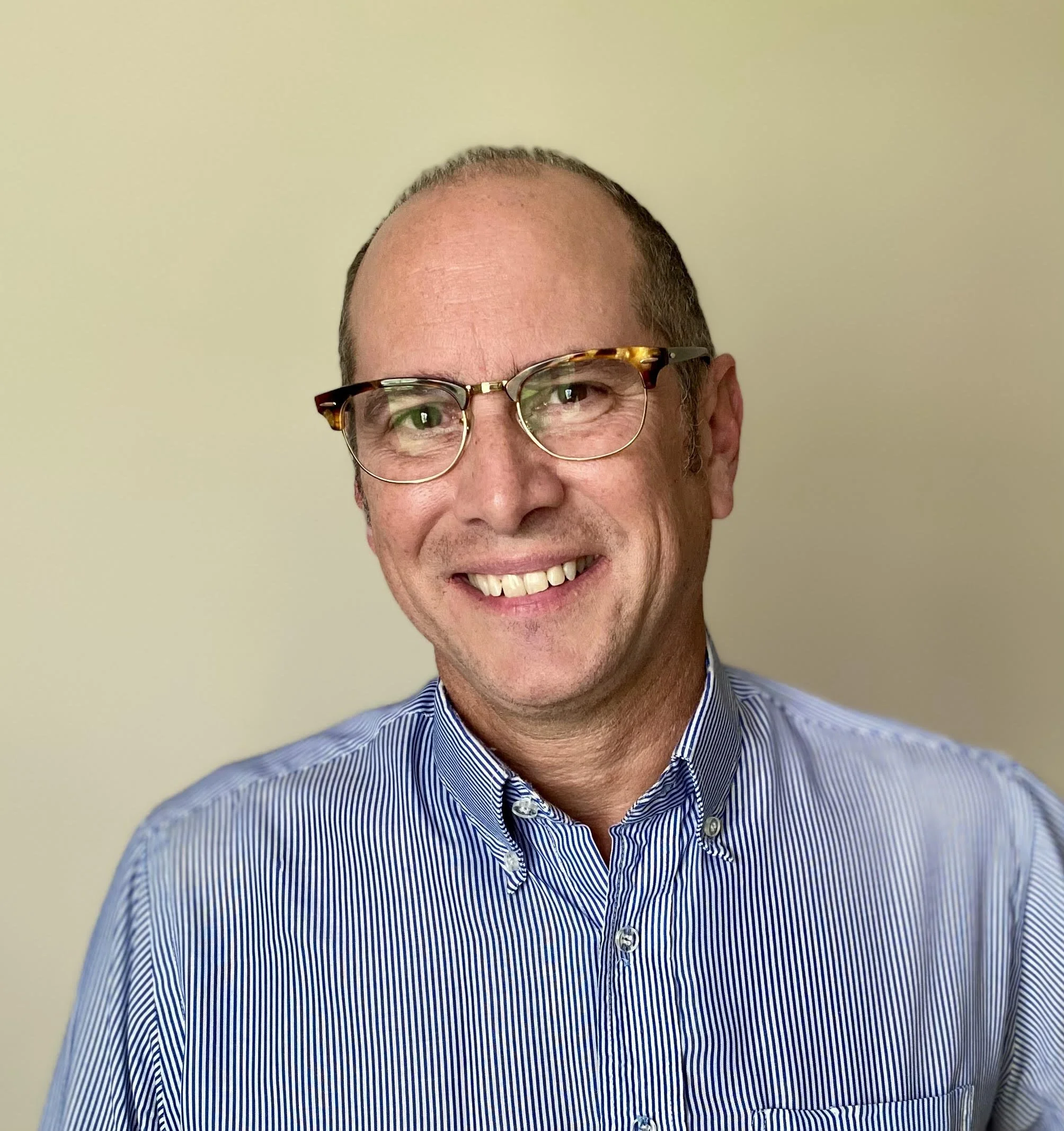
Robert Carlsen
Bob Carlsen is a corporate lawyer at Accenture who focuses on Intellectual Property. He has worked and lived in India and Latin America, and is on the Board of the Maryknoll Lay Missioners, a charitable group sending US citizens abroad to assist in poverty relief and healthcare. He is a graduate of Georgetown University and St. John's School of Law and is fascinated with minority languages. Bob is the author of "Sacred Dust on Crowded Streets", and lives in Danbury, CT with his wife Patti and son Nick.
Executive Director 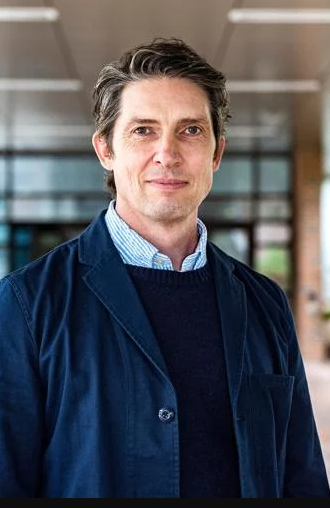
Shannon Bischoff
Shannon Bischoff received his PhD from the University of Arizona, where he studied with Jane Hill in Anthropology and Heidi Harley in Linguistics. He has worked with Indigenous communities in the US and ethnic language communities in Myanmar/Burma. He has taught for the American Indian Language Development Institute and COLANG. He is Professor of Linguistics at Purdue University’s Fort Wayne campus.
President 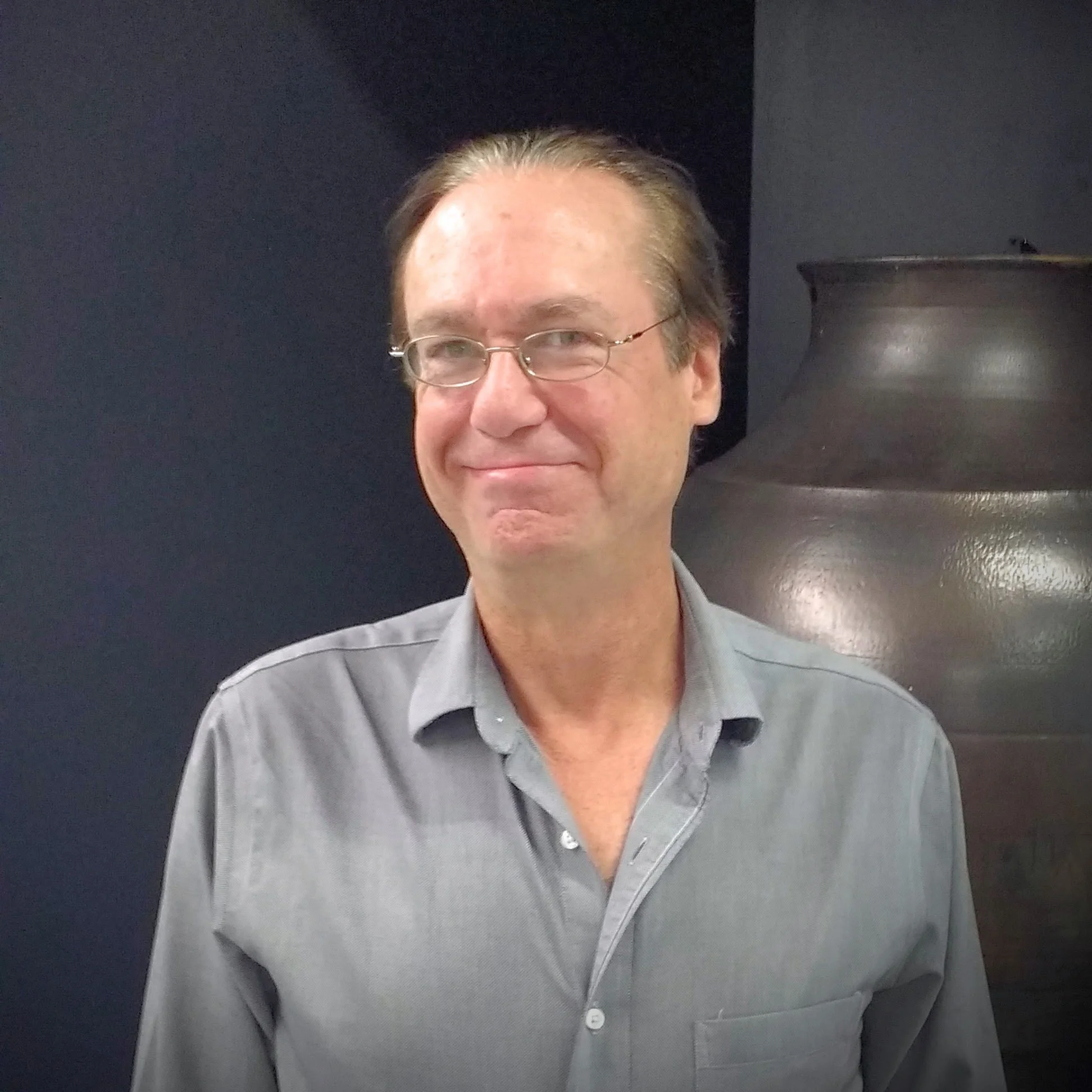
Douglas H. Whalen is a linguist who founded the Endangered Language Fund in 1996. Currently, he is Distinguished Professor in the Speech-Language-Hearing Sciences Program in the Graduate Center of the City University of New York. He also has affiliations with the Linguistics Program there, as well as with the Linguistics Department at Yale University. He is also Vice-President of Research at Haskins Laboratories in New Haven, CT. He has worked on the phonetics of several languages, including Navajo, Tahltan, Yoloxóchitl Mixtec, and Arapaho. He also created the Healing Through Language initiative of ELF.
Founder & Chair of the Board Doug Whalen
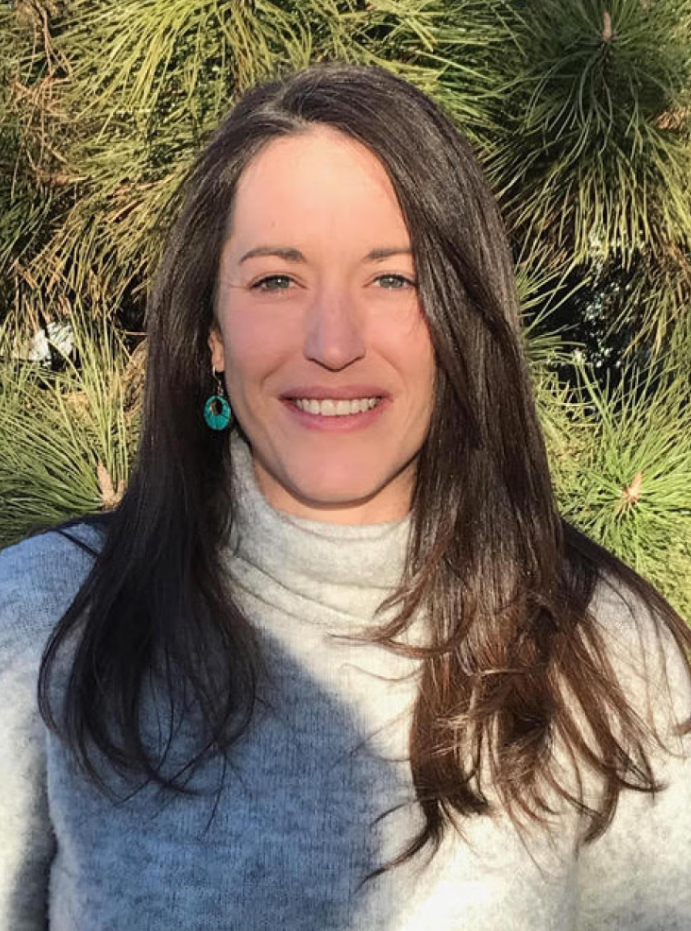
Rebecca Wood is a linguistic anthropologist whose research focuses on understanding community language revitalization efforts in Native North America. More specifically, she is interested in the ways language embodies important sociocultural information and provides insight into how cultural groups are dealing with changing environments through the theoretical approaches of language socialization, language ideologies, and semiotics.
Vice PresidentRebecca Greene
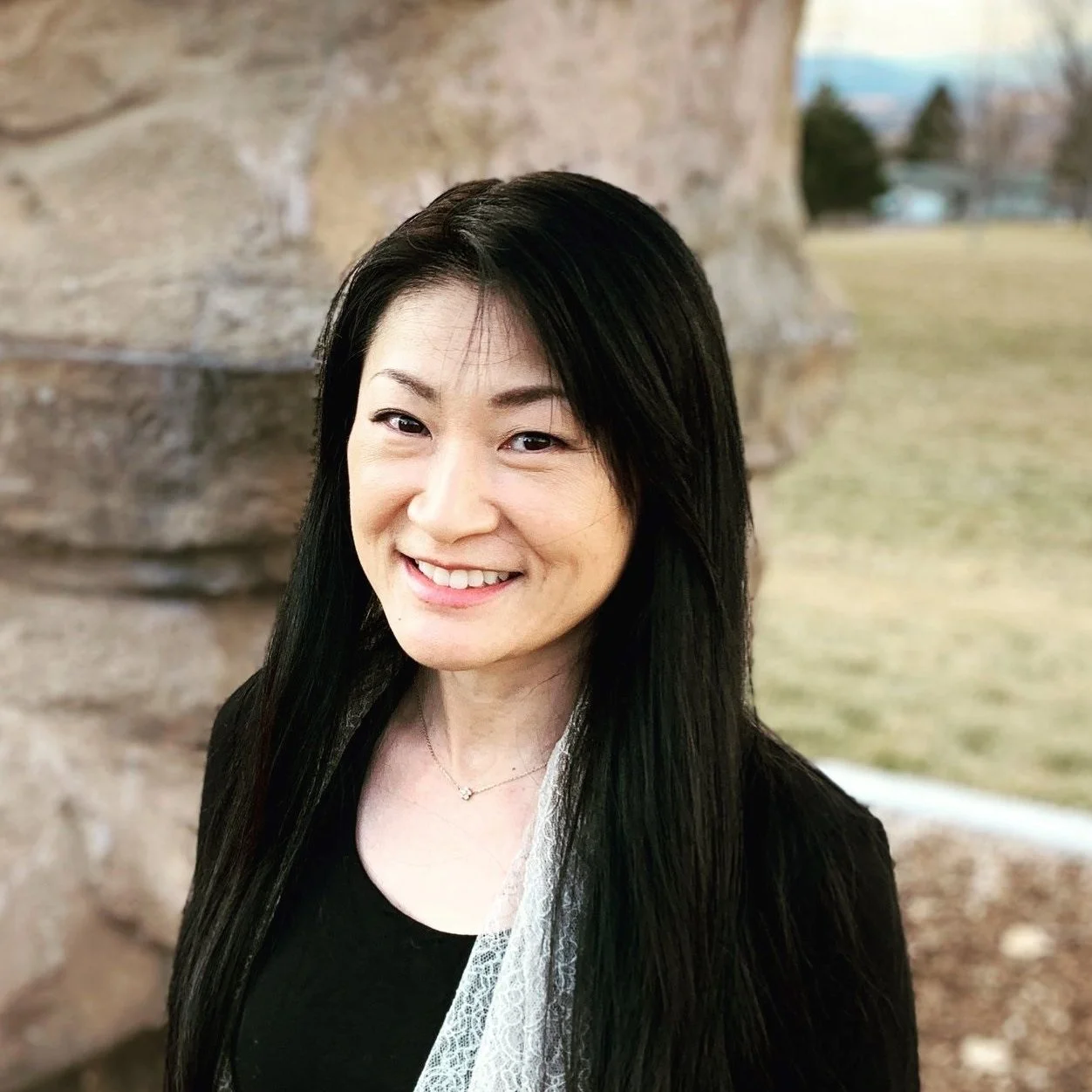
Mizuki Miyashita is Professor of Linguistics at the University of Montana. She received her Ph.D. in linguistics from the University of Arizona; her dissertation was on phonology in Tohono O’odham. Her specialization is documentary linguistics in Blackfoot, and she has recorded folksongs including lullabies, narratives, conversations, and isolate words in Blackfoot. Her current research focuses on documentation and application of rhythm and melody in Blackfoot. She was a co-director of CoLang 2022.
Secretary Mizuki Miyashita
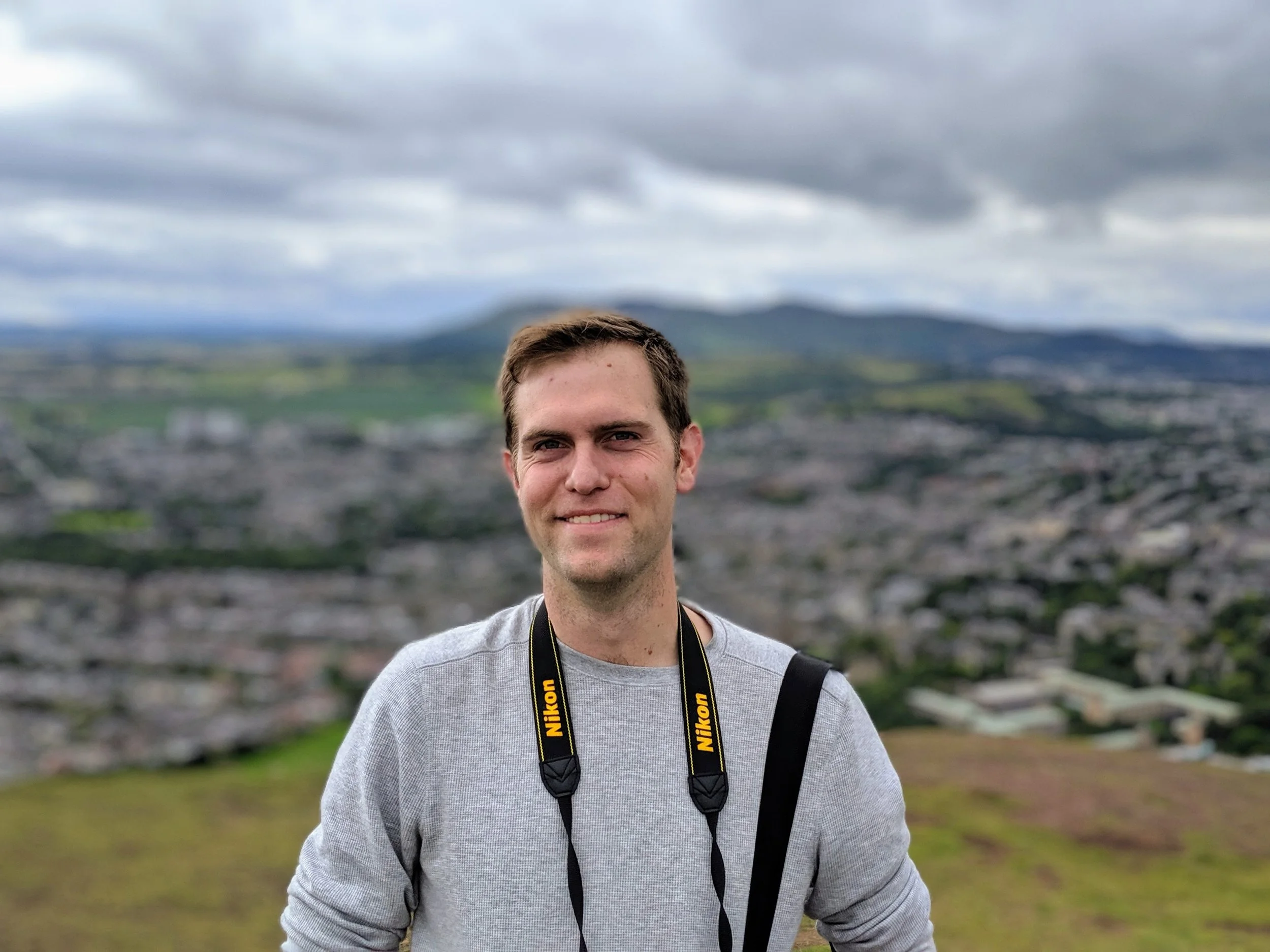
Patrick Smith is an associate at Citibank focusing in Risk Management and Operational Planning. He is new to the linguistics space, and looks forward to applying his financial background to the diverse ELF community. Outside of work, he enjoys hiking, playing poker, and volunteering in his local community of Wilmington, Delaware. Patrick has a Bachelor of Science degree in Finance from the University of Delaware and an MBA from the University of Maryland.
Treasurer Patrick Smith

Elizabeth serves as the Social Media and Administrative Assistant for the Endangered Language Fund, blending creativity and organization to support its mission. She also works at Purdue University Fort Wayne and loves building connections through thoughtful communication. In her free time, she’s almost always reading or talking about books.
Social Media & MarketingElizabeth Graves
About Our Logo
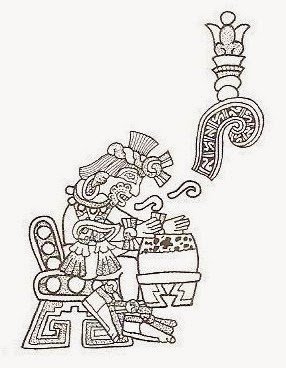
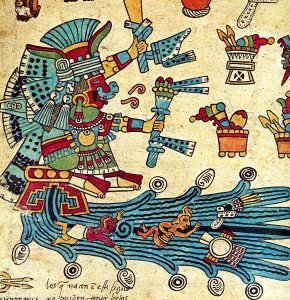
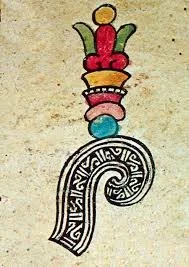
The ELF logo incorporates a type of iconographic motif that was used to represent speech in many Mesoamerican murals and bas-relief sculptures. Called “speech-scrolls” by Mesoamericanists (and illustrated to the left), these spiral designs often appear in front of the mouths of important personages in depictions of historical and mythological themes. Speech-scrolls have been found in archeological sites from culturally, chronologically, and geographically disparate cultures. These range from the Chalchihuites culture in the Mexican state of Durango far in the northern Mesoamerican periphery to those in the Mayan areas in the south, as well as in most of the territory in between.